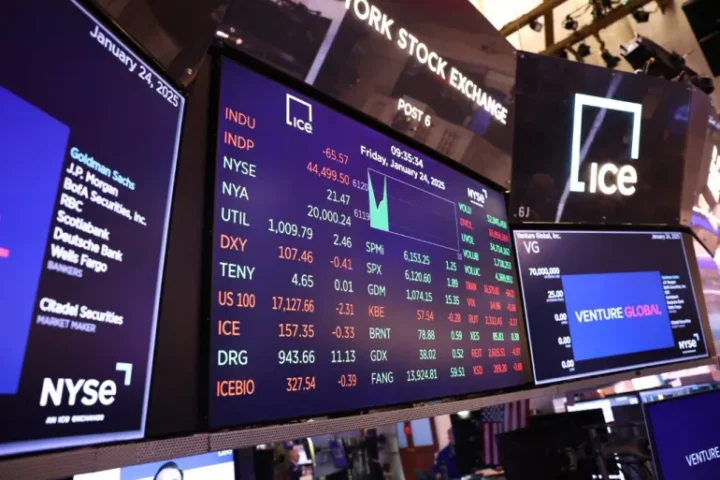
Cruise and airline stocks delivered some of the sharpest single-session gains in the S&P 500 last Friday after Iran declared the Strait of Hormuz completely open to commercial traffic during the ceasefire period, sending oil prices plunging more than 12% and triggering a wave of relief buying across the entire travel sector that had been battered for weeks by fuel cost anxiety and geopolitical risk.
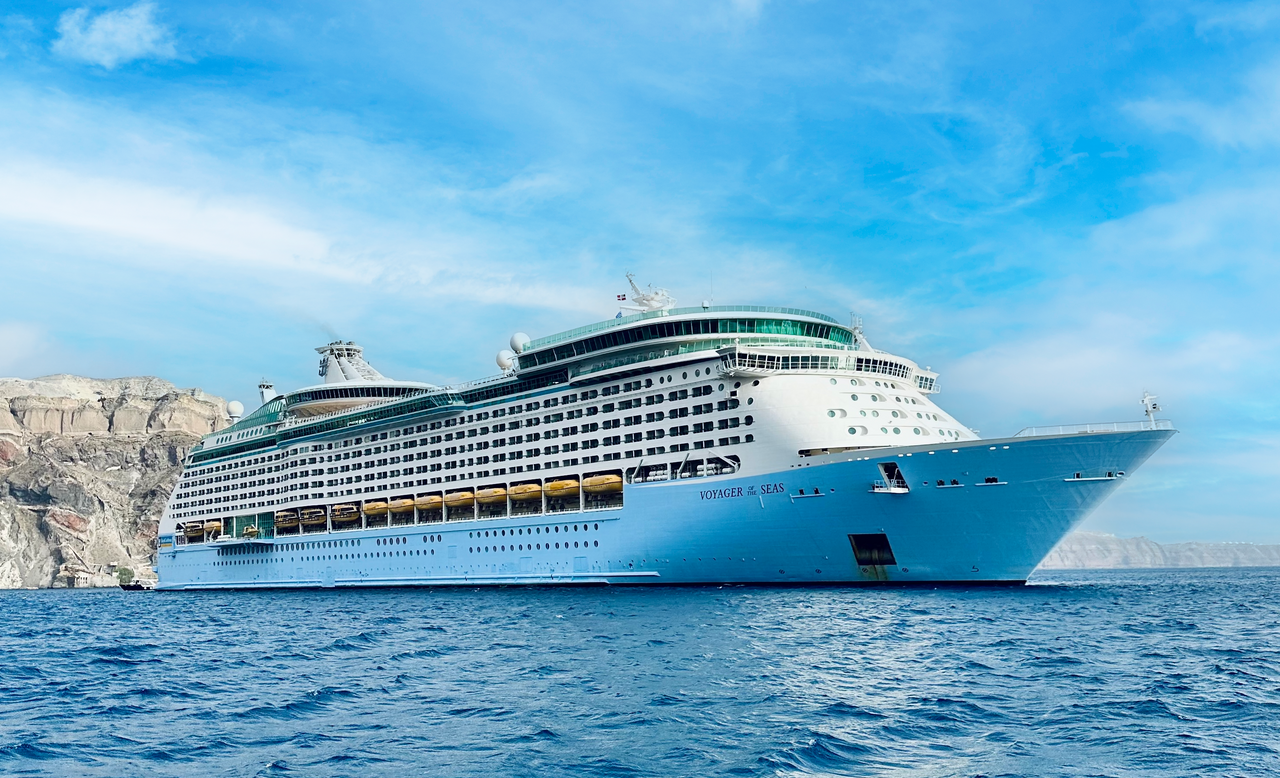
Royal Caribbean led the charge with a 9.7% gain on the day, closing toward $278 per share after weeks of underperformance driven by investor concern about the company’s exposure to elevated energy costs. Norwegian Cruise Line jumped more than 9%, and Carnival Corporation surged above 9% as well, with the latter having already shown a 10% single-session pop earlier in the month when the initial ceasefire between the US and Iran was announced on April 8. United Airlines gained more than 9% in the same session, and Expedia added 5%, reflecting the breadth of the fuel-cost relief trade across the full leisure and travel ecosystem.
The reaction makes mechanical sense when you understand how much oil exposure runs through the cruise sector’s income statements. Fuel is consistently one of the largest variable cost items for operators like Carnival, Royal Caribbean, and Norwegian, and with West Texas Intermediate crude having spiked from around $80 per barrel in early March to above $113 per barrel at the war’s peak in late March, the pressure on full-year earnings estimates had been significant and sustained. Carnival carries no fuel hedging programme whatsoever, leaving the company fully exposed to spot prices in both directions, which explains why it has been both the most punished when oil surges and among the fastest to recover when it retreats.
West Texas Intermediate fell more than 14% last Friday following Iran’s announcement, with Brent crude falling nearly 11%, completing what CNBC described as the worst week for oil prices since April 2020 when crude cratered amid demand destruction at the start of the pandemic. Iranian Foreign Minister Seyed Abbas Araghchi confirmed the opening via social media, stating that passage for all commercial vessels through the strait was “completely open for the remaining period of ceasefire.”
Verification of actual vessel movements came quickly, with open-source intelligence analysts tracking commercial ships transiting the waterway within hours of the announcement.
The Strait of Hormuz carries roughly 20% of global oil trade and its effective closure since late February had been the single most consequential factor driving energy prices and suppressing travel stocks.
The national average gas price had risen to $4.15 per gallon in the US, consumer sentiment had collapsed to a record low of 47.6 in April’s preliminary University of Michigan reading, and one-year inflation expectations had climbed to 4.8%, all metrics tied directly or indirectly to the energy price shock the closure of the strait created.
For cruise operators specifically, the reopening also eases itinerary concerns that had quietly been building for months. Several Mediterranean and Middle Eastern cruise routes carry premium pricing structures that are among the most lucrative segments of a modern cruise operator’s deployment, and the reduction of travel anxiety around those regions is a demand-side positive that complements the direct cost relief from falling fuel prices. Anthony Saglimbene, chief market strategist at Ameriprise Financial, captured the mood on the trading floor succinctly when he said investors are now “moving beyond this conflict” and discounting the most likely path toward a fully open strait and a negotiated peace.
Carnival has 85% of its 2026 capacity already booked at historically high prices with customer deposits approaching $8 billion, a structural position that places the company in an unusually favourable spot to benefit from a normalising fuel environment. Management raised its full-year 2026 adjusted EPS guidance to $2.21 earlier in the year even while absorbing what was flagged as more than $500 million in adverse fuel cost impact versus prior assumptions, meaning a sustained retreat in crude would make those targets look conservative. Norwegian’s full-year adjusted EPS guidance of $2.38 is weighted toward the back half of 2026, leaving considerable room for upward revision if oil prices stabilise well below the triple-digit levels that had been threatening the company’s margin structure.
The energy sector moved in the opposite direction on Friday, with APA Corporation falling more than 9%, Valero Energy dropping more than 8.5%, Occidental Petroleum shedding more than 7%, Exxon Mobil declining 5%, and Chevron losing more than 4%. The rotation was sharp and visible, with investors reallocating out of the energy names that had benefited from the war premium in oil and into the travel and consumer discretionary names that had been punished by it.
Whether the gains hold depends entirely on the fragile diplomatic situation. The ceasefire expires on April 21, and Sunday’s reports of Iran once again halting Hormuz traffic following the breakdown of talks introduced fresh uncertainty that reversed some of the previous week’s gains in energy markets.
The pattern across the past month has been consistent: any positive signal on diplomacy lifts travel stocks and crushes oil, while any deterioration does the reverse. Investors in cruise and airline names are effectively holding positions that double as bets on the outcome of negotiations happening thousands of miles away in Islamabad.