Investors today are increasingly split between two very different opportunities: traditional precious metals and fast-growing semiconductor companies. This article looks at why both are attracting attention and what is driving this competition.
How Priorities Are Starting to Change
Over the past few years, market conditions have pushed investors to rethink where they place their money. Inflation concerns, geopolitical tension, and rapid technological change have all played a role in shaping investment strategies. In this environment, both precious metals and semiconductor stocks have gained traction, but for very different reasons.
When people look at safe-haven assets, metals like gold and silver are often the first choice. Many investors follow trends and discussions around gold prediction to better understand where prices might be heading, especially during uncertain economic periods. These metals are seen as a way to preserve value when currencies weaken or markets become unstable.
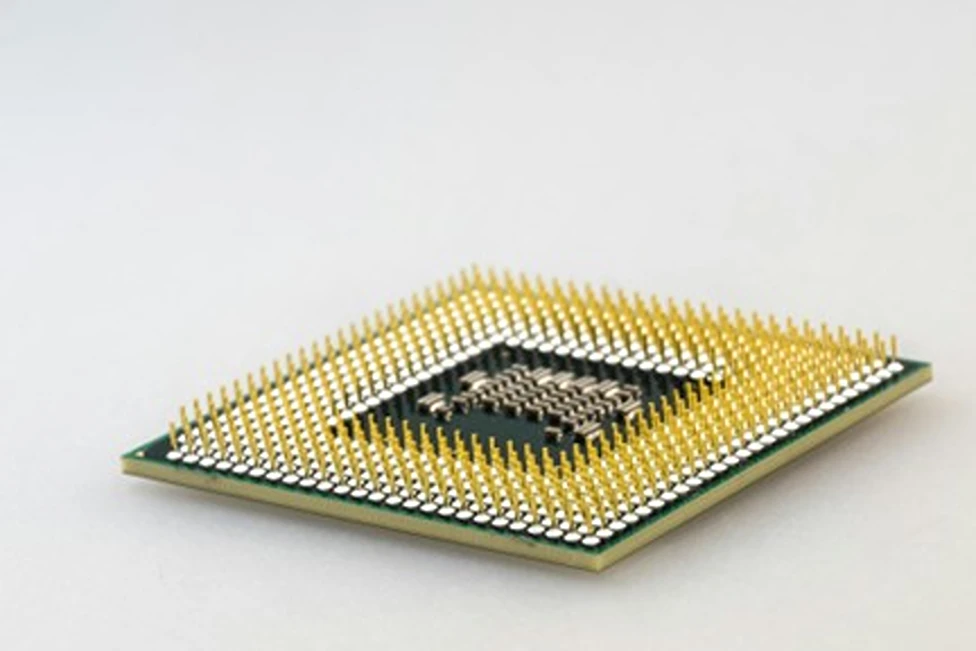
At the same time, technology has continued to advance at a rapid pace. Semiconductors are at the centre of this progress, powering everything from smartphones to artificial intelligence systems. This has made chip-related investments highly attractive, particularly for those seeking growth rather than stability.
The Appeal of Precious Metals
Precious metals have a long history as a store of value. Gold, in particular, is often viewed as a hedge against inflation and currency risk. When central banks adjust interest rates or when inflation rises, investors tend to move towards assets that can maintain purchasing power over time.
Another reason for the continued interest in metals is their physical nature. Unlike stocks or digital assets, gold and silver exist in tangible form. This provides a sense of security that many investors still value, especially during times of economic uncertainty.
Market behaviour also plays a role. When equity markets become volatile, precious metals often see increased demand. This inverse relationship helps diversify portfolios and reduce overall risk. For cautious investors, this balance is essential.
The Rise of Semiconductor Investments
On the other side of the spectrum are semiconductor companies, which have become some of the most talked-about investments in recent years. The global demand for chips has surged due to advancements in artificial intelligence, electric vehicles, cloud computing, and consumer electronics.
Chips are now a fundamental part of modern economies. As industries become more digitised, the need for faster and more efficient processing power continues to grow. This creates strong long-term growth potential for companies involved in chip design and manufacturing.
Investors are drawn to the possibility of high returns. While these stocks can be volatile, they also offer significant upside when demand increases or when new technologies emerge. This makes them particularly appealing to those willing to take on more risk.
Stability Versus Growth
One of the key differences between precious metals and chips lies in their investment profiles. Metals are typically associated with stability and protection. They do not generate income, but they can hold value over time and act as a safeguard during downturns.
Semiconductors, by contrast, are growth-driven. Their value is tied to innovation, market demand, and technological breakthroughs. This makes them more sensitive to economic cycles but also more rewarding when conditions are favourable.
For investors, this creates a clear choice. Some prefer the reliability of metals, while others are attracted to the growth potential of tech-related assets. In many cases, portfolios include a mix of both to balance risk and reward.
The Impact of Global Events
Global events have played a significant role in bringing both sectors into focus. Supply chain disruptions have highlighted the importance of semiconductor production, leading to increased investment in chip manufacturing infrastructure.
At the same time, geopolitical tensions and economic uncertainty have reinforced the role of precious metals as a defensive asset. When confidence in financial systems weakens, demand for gold and silver often rises.
Government policies also influence these trends. Support for domestic chip production in various countries has boosted investor confidence in the semiconductor sector. Meanwhile, central bank activity and monetary policy continue to affect the price of precious metals.
Changing Mindsets
Another factor driving this competition is the evolving mindset of modern investors. Younger investors, in particular, are more open to technology-driven opportunities. They are comfortable with volatility and are often willing to take risks in pursuit of higher returns.
However, this does not mean traditional assets are being ignored. Many investors still recognise the importance of diversification and risk management. Precious metals remain a key part of this strategy, especially during uncertain times.
Digital platforms and easier access to markets have also made it simpler for investors to explore both options. Whether buying physical gold or investing in semiconductor stocks, the barriers to entry are lower than ever before.
Finding a Balance
Rather than viewing precious metals and chips as direct competitors, it may be more accurate to see them as complementary. Each serves a different purpose within an investment portfolio.
Metals provide stability and act as a hedge against uncertainty, while semiconductors offer exposure to innovation and long-term growth. The challenge for investors is finding the right balance based on their goals, risk tolerance, and market outlook.
In the end, the competition between these two asset classes reflects broader changes in the global economy. As technology continues to evolve and economic conditions shift, both precious metals and chips are likely to remain central to investment discussions.