Space Exploration Technologies (NASDAQ: SPCX) completed the largest IPO in history earlier this summer, opening on the Nasdaq in early June at $150 per share.
At the close of its opening-day session, SpaceX carried a market capitalization of $2.1 trillion, immediately placing it among the world’s most valuable companies.
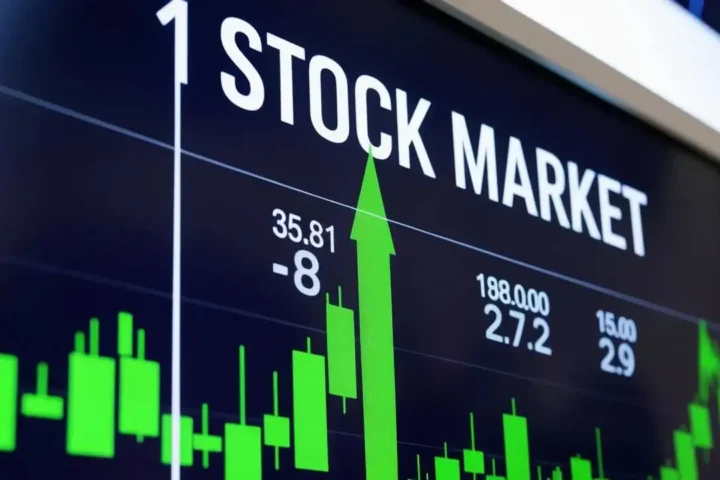
The stock peaked at $225.64 just four days after the IPO, but quickly discovered how gravity works for overheated listings.
By late July, shares had fallen as low as $108, erasing more than $1 trillion in market value from SpaceX’s peak valuation.
As of August 26, SpaceX stock was trading around $138, roughly in line with its IPO offering price of $135.
Before going public, SpaceX absorbed xAI and folded rockets, Starlink, X (formerly Twitter), and the Grok AI model into one vertically integrated structure.
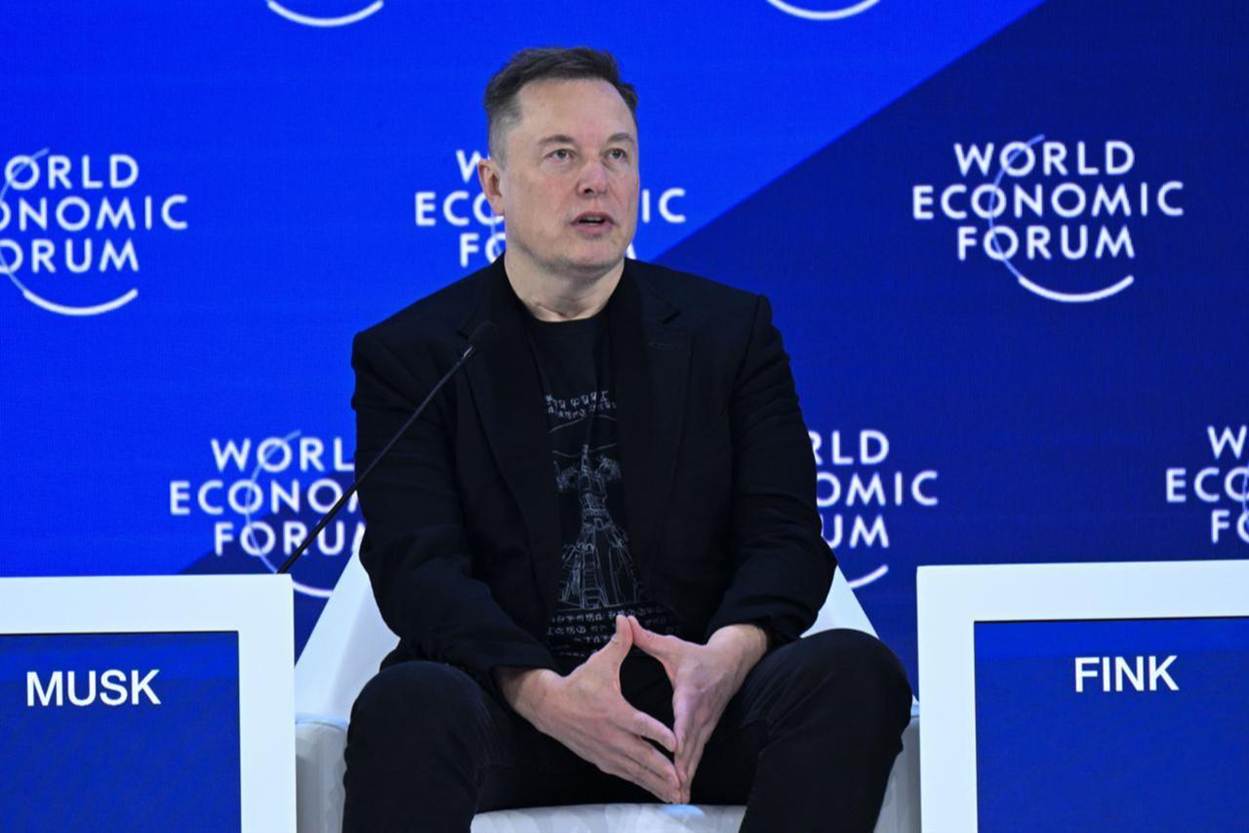
CEO Elon Musk defended the rationale for this approach in a post on X: “You don’t seem to understand that SpaceX will be worth more than the rest of Earth if we accomplish our goals.”
Investors now face the task of deciding whether that statement represents a generational prophecy or hubristic salesmanship.
SpaceX’s financial profile makes that ambition look strained when measured against actual results from 2025, when the company generated $18.7 billion in revenue while incurring a $4.9 billion loss.
Starlink was the only profitable segment, generating $11.4 billion in revenue and $4.4 billion in operating income, while Starship and AI infrastructure remained enormous cash drains.
The first quarter of 2026 showed revenue of approximately $4.7 billion against a net loss of $4.3 billion, continuing the pattern of heavy spending against modest returns.
The second quarter offered some relief, with revenue surging 92% year over year to $7.8 billion while net losses narrowed considerably to $541 million.
Starlink has clearly developed into a genuine cash engine with real product-market fit, a growing subscriber base, and healthy operating profit across consumer, enterprise, aviation, and maritime markets.
However, the broader SpaceX equity story remains exposed to what analysts call Musk’s duration risk, given his highly concentrated voting power and the company’s ballooning capital expenditures on unproven businesses.
For SpaceX to legitimately compete for the title of most valuable business ever, Starship would need to make space exploration a recurring commercial business at dramatically lower costs per launch.
Starlink would also need to continue scaling aggressively without compressing its average revenue per user into commodity-level pricing that destroys the economics underpinning its profitability.
SpaceX’s orbital compute and AI capacity business would further need to convert its infrastructure spending into contracted enterprise revenue at economics that justify the enormous capital outlay.
Without all three of those conditions materialising simultaneously, SpaceX remains a premium-priced telecom and launch conglomerate rather than the civilisation-scale utility Musk envisions.
Outvaluing Earth is not an investable forecast in any conventional sense for a company still burning cash on tens of billions in annual revenue.
SpaceX stock appears suited only for investors who can tolerate volatile drawdowns, a founder who answers financial questions with cosmology, and the prospect of shares looking expensive relative to underlying fundamentals for years to come.